



How to Prepare for Your First Therapy Session: What to Expect
Starting therapy for the first time can bring a mix of emotions, including nervousness, curiosity, or uncertainty about what to say. These feelings are normal, especially if you have never spoken with a psychologist before.
Preparing for your first therapy session can help you feel more at ease and ready to begin. You do not need to have all the answers or explain everything perfectly. Your psychologist can guide the conversation and help you identify the concerns that matter most to you.
During the first therapy session, you may discuss your current concerns, personal experiences, therapy goals, and what you can expect from future sessions. If you are wondering how to start therapy, taking one step at a time can make the process easier.
What Happens in Your First Therapy Session?
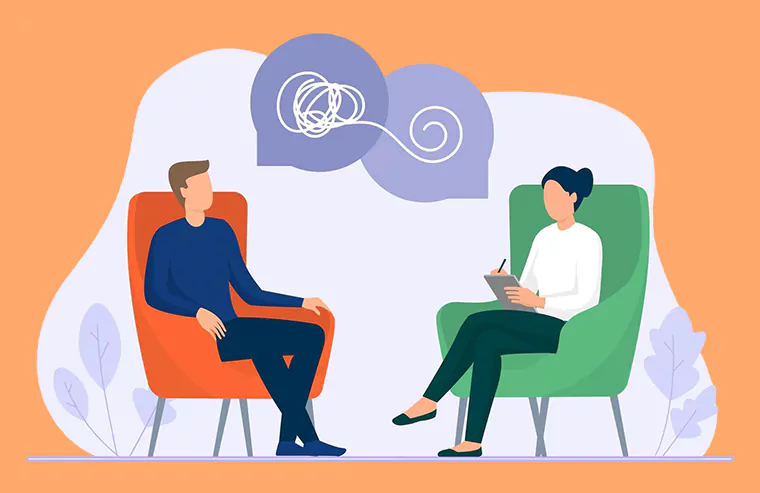
The first session is generally about getting to know each other and understanding what brought you to therapy. Your psychologist may ask about your current concerns, personal background, relationships, daily life, and what you hope to achieve through therapy.
You may also discuss how therapy works, confidentiality, session frequency, and what you can expect from future appointments.
You do not have to share everything immediately. Trust takes time to build, and feeling comfortable with therapy often develops naturally over time.
How to Prepare for Your First Therapy Session
You do not need extensive preparation, but a few simple steps can help you feel more organized.
1. Think About Why You Want Therapy
Before your appointment, think about what encouraged you to seek professional support.
For example, you might be dealing with:
- Persistent stress or worry
- Relationship difficulties
- Low mood
- Work or academic pressure
- Major life changes
- Family concerns
- Difficulty managing emotions
- Personal growth and self-understanding
You do not need a perfect explanation. Even saying, “I’ve been feeling overwhelmed, but I’m not sure why,” can be a good way to begin the conversation.
2. Write Down What Has Been Troubling You
When you are sitting in front of a psychologist, it is easy to forget things you wanted to discuss. Making a short list beforehand can help.
You could note:
- What you have been experiencing
- When you first noticed it
- Situations that make it better or worse
- How it affects your daily routine
- Anything you have already tried
- What you would like to change
This information can give your psychologist a clearer picture of your situation.
3. Think About Your Goals
Consider what you would like to get from therapy.
Your goal might be very specific, such as improving communication in a relationship, or it may be broader, such as understanding yourself better or learning healthier ways to handle stress.
Your goals can also change as therapy progresses.
What Questions Can You Ask Your Psychologist?
Therapy should be a collaborative process. You can ask questions and learn how your psychologist plans to support you with your concerns.
During your first therapy session, you might ask:
- How does therapy usually work?
- What approach do you use?
- How often should we meet?
- How long is each session?
- What can I expect from future sessions?
- How will we track progress?
- What can I do if I’m not comfortable talking about a particular topic?
Asking questions can help you better understand the process and feel more comfortable during therapy.
How to Start Therapy If You Feel Nervous
Feeling nervous before your first appointment is common. You may worry about being judged, not knowing what to say, or becoming emotional.
Remember that you do not need to perform or impress your psychologist. Therapy is a space where you can talk about your experiences honestly and at your own pace.
If you do not know how to start therapy, simply begin with what feels most important to you. You can say:
"I have been struggling with something, and I thought talking to a psychologist might help."
From there, your psychologist can guide the conversation.
Do You Have to Share Everything in Your First Therapy Session?
No. There is no requirement to discuss every personal experience during your first appointment.
Some topics may feel difficult to talk about, particularly when you are meeting someone for the first time. You can give yourself the time you need to feel comfortable.
You can also tell your psychologist that a particular subject is difficult to discuss. Building a comfortable therapeutic relationship can take time, and openness often develops gradually.
What Should You Bring to Your First Therapy Session?
Depending on your situation and the psychologist's requirements, you may want to have:
- A brief list of your concerns
- Questions you want to ask
- Relevant previous mental health records, if applicable
- Details about any current treatment, if relevant
- A notebook or phone for personal notes
For an online session, check your internet connection and choose a private place where you can speak comfortably.
What If You Become Emotional?
It is completely possible to feel emotional during therapy. Discussing difficult experiences can bring up feelings that you may have been holding for some time.
You do not need to feel embarrassed if you cry, pause, or struggle to find the right words. You can take a moment, breathe, and continue when you feel ready.
Your psychologist's role is to provide a professional and supportive environment rather than judge you for your emotions.
What Happens After the First Session?
After your first appointment, you and your psychologist may have a better understanding of your concerns and possible areas to work on.
Future sessions may involve exploring thoughts, emotions, behaviors, relationships, experiences, and coping patterns. Based on your needs, therapy may include practical techniques, coping strategies, or helpful exercises.
Progress is different for everyone. Everyone’s therapy journey is different; some people experience gradual changes, while others may need more time to explore and address their concerns.
Meet Bhavya Ghai, the Best Psychologist in Delhi
Bhavya Ghai is the best psychologist in Delhi who provides professional psychological and counselling support tailored to individual needs. She works with clients facing concerns related to emotional well-being, relationships, stress, anxiety, and other personal challenges.
If you are preparing for your first therapy session, having a comfortable and supportive space can make it easier to discuss your concerns. Bhavya Ghai focuses on understanding each person's experiences and helping them explore practical ways to manage their concerns.
Whether you are unsure about how to start therapy or are looking for ongoing psychological support, speaking with a qualified psychologist can be a helpful first step toward better self-understanding and emotional well-being.
Conclusion
To prepare for your first therapy session, focus on sharing your concerns, feelings, and goals honestly. You don’t need to have everything planned before you begin. The first therapy session gives you an opportunity to understand the therapy process, discuss your needs, and start developing a comfortable relationship with your psychologist. If you are wondering how to start therapy, taking that first step can be a positive move toward better emotional well-being and personal growth.
Related Topic: 10 Mental Health Exercises to Reduce Stress and Improve Your Mood
Frequently Asked Questions
1. What should I think about before starting therapy?
Consider what has been bothering you, how it affects your daily life, and what you would like to understand or improve through therapy.
2. What should I tell my therapist in the first session?
Start with the concerns that encouraged you to seek therapy. You can talk about your recent feelings, challenges, relationships, daily life, or anything you feel is affecting your well-being.
3. What happens if I cry during my first therapy session?
It is okay to become emotional during therapy. Talking about personal experiences can bring up strong feelings, and you can take a moment whenever you need to.
4. Should I write down things before my first therapy session?
Making a short list of your concerns, symptoms, questions, or therapy goals can help you remember important points during the appointment.
5. How many therapy sessions do I need?
There is no fixed number of sessions that works for everyone. The length of therapy depends on your concerns, goals, progress, and the approach recommended by your psychologist.
6. Can I talk about my past during the first therapy session?
You can discuss past experiences if they are relevant to your current concerns. However, you do not have to share anything before you feel comfortable doing so.