



How to Build Self-Confidence in Everyday Life
Self-confidence plays an important role in our everyday lives. It helps us make decisions, share our thoughts, face challenges, and try new things without too much fear. When we feel confident, we are more willing to take opportunities and learn from our experiences. However, building self-confidence is not always easy. Many people doubt themselves, worry about making mistakes, or compare their lives with others.
The good news is that self-confidence is a skill you can develop through small steps and regular practice. You can feel confident without having to be perfect. Learning to understand your strengths, accept your weaknesses, and trust yourself can help you develop a healthier view of yourself.
What Is Self-Confidence?
Self-confidence means believing in your abilities and trusting yourself to handle different situations. It does not mean you have all the answers or never experience fear. Instead, it means being willing to try, even when you are unsure about the result.
For example, speaking in a meeting, learning a new skill, meeting new people, or sharing your opinion can feel difficult at first. With practice, these activities can become easier.
A confident person can also make mistakes, feel nervous, and ask for help. Confidence means accepting that these experiences are a natural part of life.
Why Is Self-Confidence Important in Daily Life?
Healthy self-confidence can influence how we think, feel, and behave. When we trust ourselves, we often find it easier to deal with daily problems and make decisions that match our needs.
Some benefits of self-confidence include:
- Better decision-making: You feel more comfortable making choices without always seeking approval from others.
- Improved communication: You can express your thoughts and feelings more clearly.
- Stronger relationships: You feel more comfortable expressing your needs and maintaining healthy boundaries with others.
- Personal growth: You become more open to new experiences and learning skills that help you improve.
- Handling challenges: You can face difficult situations with a positive attitude and learn from your experiences.
Remember, confidence does not mean you will never struggle. It means facing challenges while continuing to believe in your abilities.
7 Simple Ways to Build Self-Confidence
1. Stop Comparing Yourself With Others
One common reason people lose confidence is comparing themselves with others. You might compare your appearance, career, relationships, or achievements with what you see around you.
Everyone has their own life experiences and grows at their own pace. You may see another person's success without knowing the difficulties they faced along the way.
Instead of asking, "Why am I not like them?" ask yourself, “What small step can I take today to make my life better?”
Focus on your progress rather than trying to match someone else's journey. Even a small improvement is worth appreciating.
2. Recognize Your Strengths
When you focus only on your weaknesses, it becomes difficult to see your own value. Building confidence starts with recognizing what you can do well.
Spend some time identifying the things you do well. You might be a good listener, a caring friend, a responsible worker, or someone who stays calm during difficult situations.
Try writing down three things you appreciate about yourself. You can also include small achievements, such as completing a task, helping someone, or learning something new.
Recognizing your strengths can help you develop a more balanced and positive view of yourself.
3. Set Small and Realistic Goals
You do not have to make big changes overnight to become more confident. Setting small goals can help you believe in your abilities and feel more confident.
For example, you could:
- Share your thoughts at least once in a class or meeting.
- Spend 15 minutes learning a new skill.
- Start a conversation with someone new.
- Complete an important task before checking social media.
- Try an activity that you usually avoid because of fear.
Whenever you achieve a goal, acknowledge your effort. Every small achievement shows that you can take steps forward and improve over time.
4. Learn to Manage Negative Self-Talk
Your inner thoughts can affect your feelings and actions. Thinking things like "I am not capable enough" or "I will not succeed" may lower your confidence and stop you from trying new things.
Instead of accepting every negative thought as a fact, pause and question it.
For example:
- Change “I never get things right” to “I can improve by learning from my mistakes.”
- Change “Everyone will judge me” to “Not everyone will think the same way, and that is fine.”
- Replace "I cannot do this" with "I can try and improve with practice."
You do not have to act as if everything is going well all the time. Try to speak to yourself with the same patience and kindness you would offer a friend.
5. Maintain a Healthy Mind and Body
Your daily habits can influence your mood, energy, and ability to handle stress. When you feel tired or overwhelmed, it may become harder to think positively about yourself.
Try to follow a daily routine with habits such as:
- Getting enough sleep.
- Eating balanced meals and drinking enough water.
- Taking a walk or doing another form of physical activity.
- Making time for hobbies you enjoy.
- Taking short breaks when you feel stressed.
These habits can support your overall well-being and help you feel more prepared to manage daily challenges.
6. Step Outside Your Comfort Zone
You can build confidence by trying new things, even when they feel a little challenging. Start with small challenges instead of forcing yourself into situations that feel overwhelming.
If you feel nervous about speaking in public, practice with a friend first. If meeting new people feels difficult, begin with a simple greeting or short conversation.
Give yourself time to adjust. You can take the first step even if you still feel unsure of yourself. Sometimes, confidence develops because you take action even while feeling nervous.
7. Learn From Your Mistakes and Move Forward
Nobody makes the right choice every time. Mistakes are a normal part of learning, but the fear of making them can stop us from trying.
When something does not go as planned, take a moment to understand what happened. Ask yourself what you learned and what you could do differently next time.
Avoid using one mistake to judge your entire personality or ability. Making an error does not mean you are a failure. It simply means something did not work as expected.
Treating mistakes as learning opportunities can help you become more comfortable with challenges and less afraid of trying again.
How to Practice Self-Confidence Every Day
You can build confidence through a few simple daily habits. You do not need to spend hours working on yourself.
- In the morning: Remind yourself of one personal strength and choose one realistic goal for the day.
- During the day: Try to express your thoughts, make a decision independently, or complete a task you have been avoiding.
- In the evening: Think about one thing you did well and one thing you learned. Appreciate your effort, even if the day did not go exactly as planned.
Follow this routine at a comfortable pace. The goal is to recognize your progress and learn more about yourself instead of being hard on yourself.
When Should You Seek Professional Support?
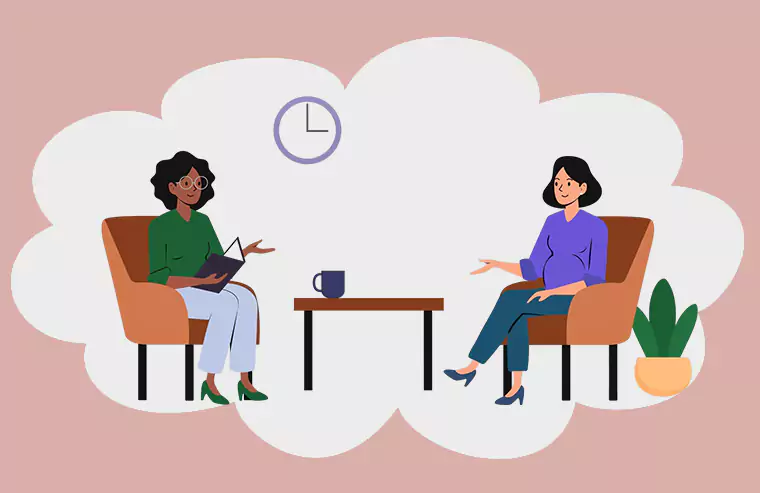
Sometimes, low self-confidence can be connected to past experiences, bullying, ongoing stress, fear of rejection, or difficult relationships. If self-doubt regularly affects your work, relationships, or daily activities, speaking with a mental health professional may help.
Bhavya Ghai, a counselling and rehabilitation psychologist, can be a professional resource for individuals looking to better understand their thoughts, emotions, and personal challenges. Psychological support can help people explore negative thought patterns, build healthier coping skills, and work towards greater self-understanding.
Seeking support is not a sign of weakness. It can be a positive step towards developing a healthier relationship with yourself.
Final Thoughts
Building self-confidence is a gradual process. There will be days when you feel strong and other days when you question yourself. Both are normal parts of life.
Start by recognizing your strengths, setting small goals, treating yourself with kindness, and learning from your experiences. Do not wait until you feel completely ready to try something new. Give yourself permission to learn as you go.
True self-confidence is not about being better than everyone else. It is about trusting yourself, accepting who you are, and believing that you can continue to grow. By making small changes and practising regularly, you can gradually build confidence and feel more comfortable with who you are.
Related Topic: How to Choose a Psychologist in Delhi: 10 Things to Check